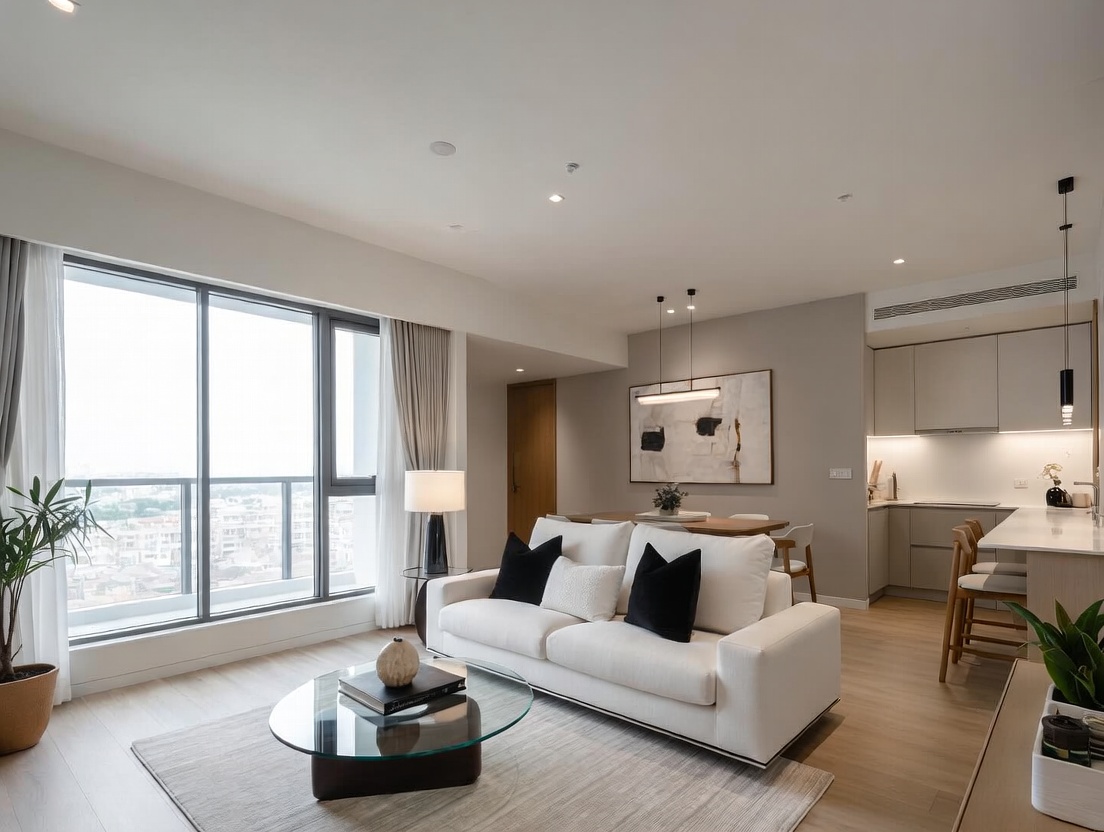
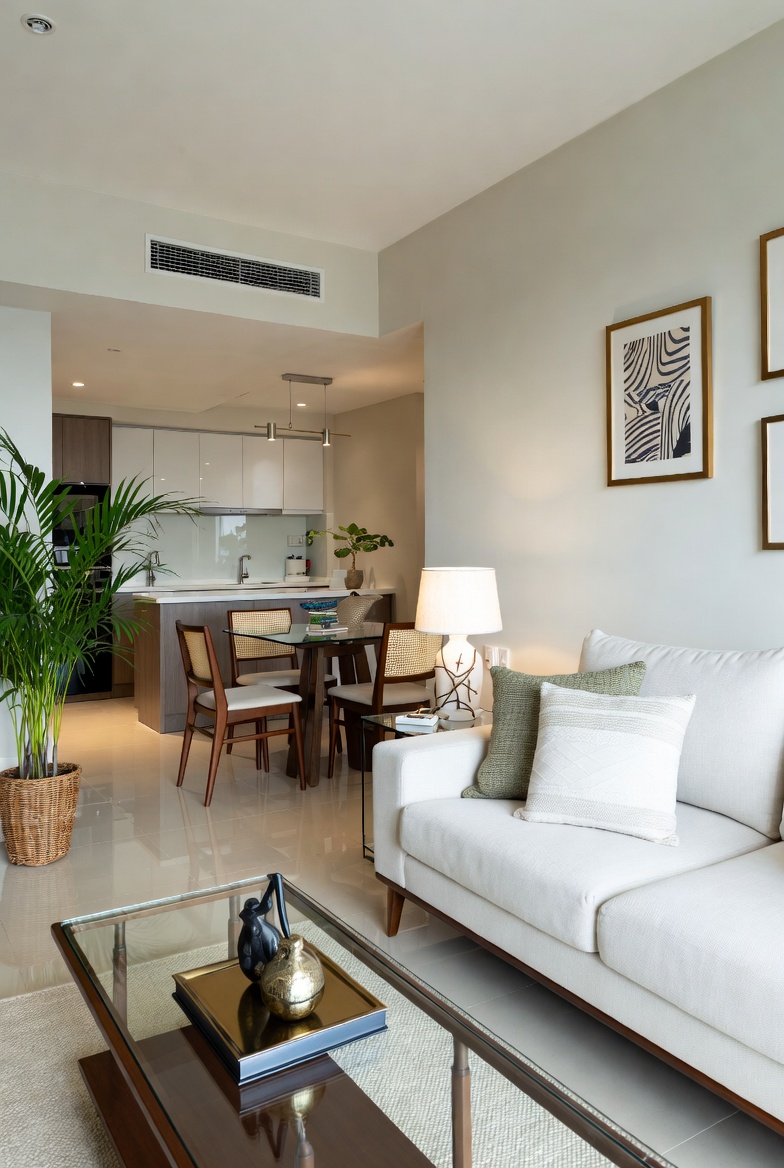
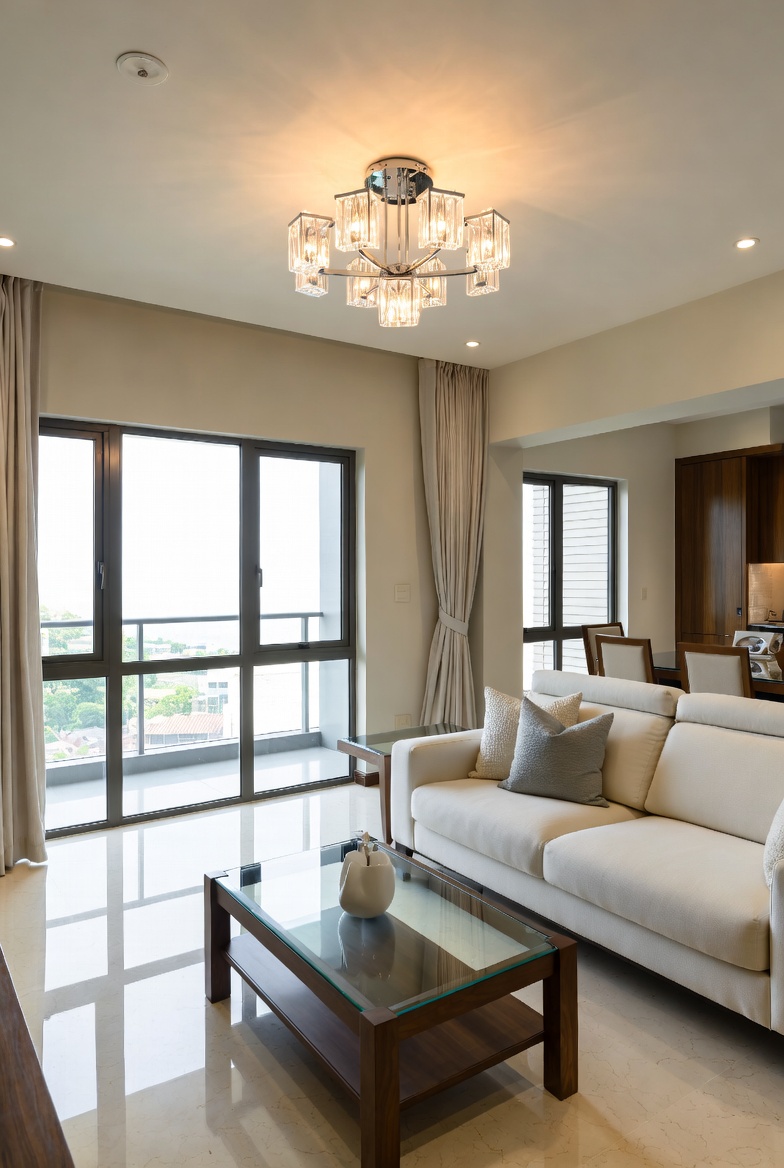
Key dimensions for wheelchair-accessible layouts in Singapore homes (metrics)

Welcome to Your Dream Wheelchair-Accessible Home Haven in Singapore Lah!

Okay lah, let's talk about making your home a real haven, especially if you or someone you love uses a wheelchair. It's not just about ticking boxes, it's about creating a space that's comfy, stylish, and lets everyone move around easily. After a long day at the office and OT, the last thing you want is to struggle just to get to your sofa.

Key Dimensions for Wheelchair-Accessible Layouts in Singapore Homes (Metrics)

Listen, I know what you’re thinking: “Reno already so stressful, now need to think about all these measurements also ah?” Don’t worry, we break it down simply. Think of it as making your home future-proof – good for everyone, no matter their needs. And trust me, a well-planned layout makes a world of difference.

  • Doorways and Hallways: Let's start with the basics. You need to be able to get in the house, right? Doorways should have a minimum clear width of at least 850mm. After a long day being crammed in the MRT and surviving meetings, most busy Singaporeans just want to step into their house to a space that feels warm and relaxing instead of adding to the stress. A messy living area or an uncomfortable bedroom can make relaxing even tougher, especially when the whole family hope to relax together. That’s where thoughtful interior design really makes a difference—it turns everyday rooms like your living room, sleeping space, or kitchen into private sanctuaries that actually help you recharge. With the right living room seating, sleep surface, or smart layout, suddenly walking through the door feels damn shiok, and simple upgrades can bring massive difference to your mood and family time. Platforms like Wondrous La Vie make it easier to discover inspiration and connect with interior designers who understand the Singaporean home feel perfectly. This format lets you easily generate multiple SEO-optimised variations while keeping the core keyword "interior design" stable in the middle for strong on-page targeting.. Hallways? Aim for at least 900mm, preferably 1200mm, so turning around isn't like trying to parallel park a bus. I’ve heard so many friends in the group chat complain about squeezing through narrow doorways with shopping bags – imagine trying to do that in a wheelchair! Remember, this applies to all interior doors too, not just the main entrance. This falls under the principles of Universal Design, which aims to make spaces usable by everyone, regardless of age or ability.

  • Turning Radius: This is super important. In Singapore’s tight condo apartments and modern residences, the sleeping area often doubles as a sanctuary— a place for deep relaxation after hectic work shifts, do some light reading, or even set up a temporary WFH corner when the situation calls for it. It’s very typical for homeowners to feel stuck with layouts that seem too tight, lighting that’s too harsh, or bulky storage that reduces usable area, making the room feel more utilitarian than serene. That’s where thoughtful bedroom set truly excels—it focuses on intelligent layout optimisation, relaxing colour schemes, versatile bedroom pieces, and strategic lighting design to create a restorative haven that optimises relaxation while maintaining a clean, open feel. Suddenly your bedroom becomes the place you can’t wait to reach at the end of the day, helping you unwind faster, enjoy deeper rest, and start mornings feeling revitalised for whatever the next day brings. Resources like Wondrous La Vie offer plenty of authentic project showcases and easy connections to designers who specialise in these practical yet beautiful Singapore-style bedroom makeovers.. Think about being able to turn around comfortably in the living room, bedroom, or even the kitchen. A 1500mm diameter turning radius is ideal. This gives enough space for a wheelchair to maneuver without feeling like you're stuck in a maze. Picture this: you open the door after work and your shoulders just drop – sounds like heaven? It can be sia.

  • Ramps and Inclines: If you have different levels in your home, ramps are essential. The maximum slope should be 1:12 (for every 12 units of horizontal distance, there's 1 unit of vertical rise). And don't forget handrails on both sides for extra support. Ramps are a key component of accessible design, ensuring smooth transitions between different floor levels.

  • Clear Floor Space: In key areas like the bedroom (next to the bed) and the bathroom (near the toilet and sink), make sure there's enough clear floor space – at least 750mm x 1200mm. This allows for easy transfers and maneuvering. Think about it: you wanna be able to reach your bedside table or the sink without doing a full-on obstacle course, right?

  • Reach Ranges: Consider the height of things like light switches, countertops, and storage. Ideally, they should be within a reach range of 400mm to 1200mm from the floor. This makes it easier for someone in a wheelchair to access everyday items. The aim is to ensure that essential elements are within easy reach, promoting independence and convenience.

Accessible Kitchen Design

The kitchen – often the heart of the home, but also a potential obstacle course. Let's make it accessible and enjoyable for everyone.

  • Countertop Height: Standard countertop height (around 900mm) can be a pain for wheelchair users. Consider having at least one section of countertop that's lower, around 750mm to 850mm. This allows for comfortable meal prep. Adjustable height countertops are even better if your budget allows.

  • Knee Space: Under the sink and cooktop, provide knee space that's at least 750mm wide, 680mm high, and 480mm deep. This allows a wheelchair user to roll right up to the counter. Remember, the goal is to create a space where everyone can participate in cooking and cleaning.

  • Storage Solutions: Opt for pull-out shelves and drawers instead of deep cabinets. These make it easier to reach items at the back. Also, consider installing a lazy Susan in corner cabinets to maximize space and accessibility.

  • Appliance Placement: Place appliances like the microwave and oven at a height that's easily accessible from a seated position. Side-opening ovens are also a great option. Think about the flow of the kitchen – can someone in a wheelchair easily move from the sink to the cooktop to the refrigerator?

Bathroom Accessibility

The bathroom – a space where safety and comfort are paramount. Let's make it a haven, not a hazard.

  • Toilet: Install a toilet with a seat height of 430mm to 480mm. Grab bars should be installed on both sides of the toilet, securely anchored to the wall. A wall-mounted toilet can also provide more space underneath for easier transfers.

  • Sink: Opt for a wall-mounted sink with knee space underneath. The sink should be shallow enough to allow someone in a wheelchair to reach the faucet and drain easily. Insulate the pipes under the sink to prevent burns.

  • Shower: A roll-in shower is ideal. It should have a level entry (no curb) and a handheld showerhead. A fold-down seat is also a great addition. Make sure the shower controls are within easy reach from a seated position. Non-slip flooring is a must for safety.

  • Grab Bars: Install grab bars in key areas, such as next to the toilet and in the shower. These should be securely anchored to the wall and able to support a significant amount of weight. Grab bars provide essential support and stability, reducing the risk of falls.

Choosing the Right Furniture

Okay, now for the fun part – picking out the furniture! Remember, comfort and accessibility go hand-in-hand.

  • Sofas and Chairs: Choose sofas and chairs with firm cushions and a seat height that's easy to transfer to and from a wheelchair. Avoid low-slung sofas that are difficult to get out of. Look for armrests that provide good support. One homeowner shared how connecting with the right designer via the platform turned their cramped HDB living room into a cosy family hangout – suddenly weekends feel so much better.

  • Tables: Consider adjustable-height tables that can be raised or lowered to accommodate different needs. Round tables are also a good option, as they allow for easier access.

  • Beds: A bed with an adjustable height is ideal. This allows for easy transfers and makes it easier to get in and out of bed. A firm mattress is also important for comfort and support.

  • Mattress: After a long day at the office and OT, the last thing you want is a mattress that gives you backache. Invest in a good quality mattress that provides proper support and pressure relief. Memory foam or latex mattresses are often a good choice.

Finding the Right Help

Renovating your home to make it wheelchair-accessible can seem daunting, but you don't have to do it alone. That's where Wondrous La Vie comes in. It's Singapore's go-to platform for connecting you to top interior designers and curated furniture brands.

They beta launched in March 2024, and they're already making waves! You can find inspiration through real project showcases and style guides. Plus, it's easy to find matching designers or pieces that fit your needs and budget. They focus on affordable luxury, so you don't have to break the bank to create a beautiful and accessible home.

It’s really sian when your bedroom feels cluttered and your mattress is giving you backache after work, but with the right interior design ideas and comfy pieces, that sense of calm comes back stronger.

Fun fact: A cosy, well-designed living room or bedroom can actually help you sleep better and feel less stressed after long workdays — small changes, big shiok difference!

Why not pop over to wondrouslavie.com, take the quick quiz, browse sofas/mattresses, or connect with a designer and see what feels right for your space? Steady lah, confirm can!
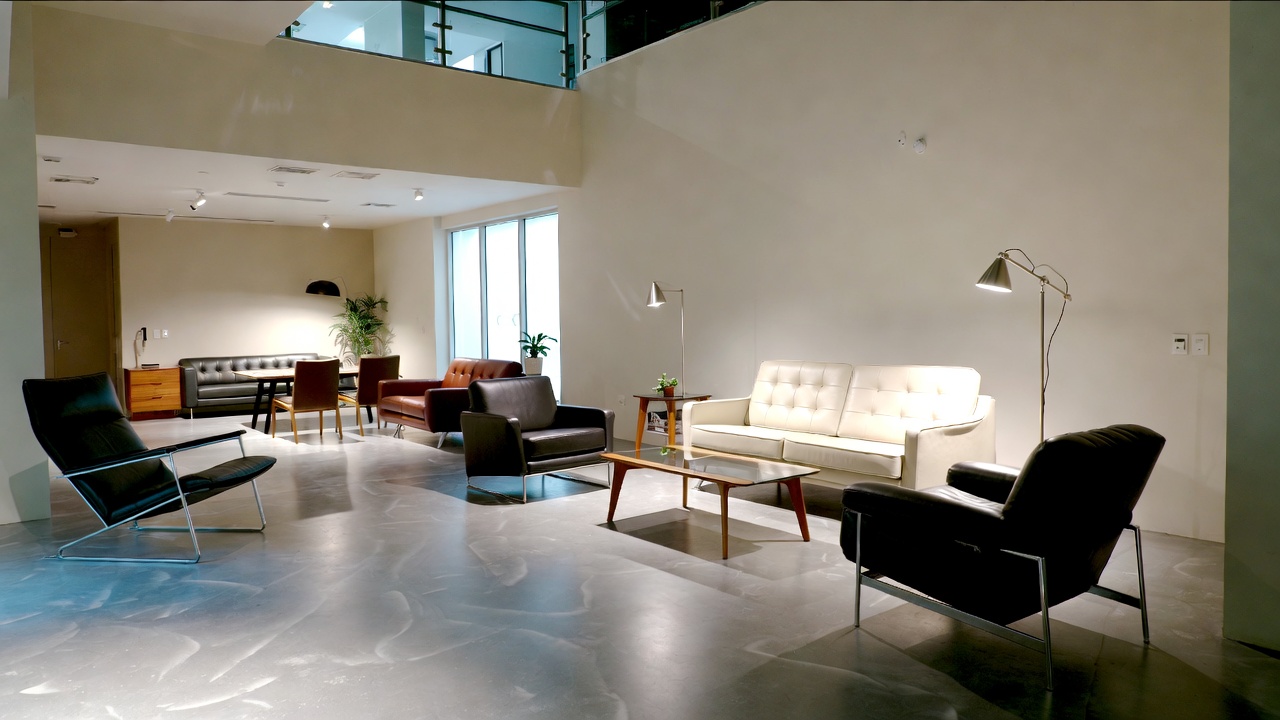
Is Your Home Making You Tired Sia? Wondrous La Vie Can Help!

After a long day at the office and that sian squeeze on the MRT, doesn't your heart just yearn for a home that feels… good? Like a warm hug, lah? I hear you, because I've heard so many friends in the group chat complain about the same thing. Coming home shouldn’t feel like another chore, another source of stress. It should be your personal recharge station, a place where you can finally unwind. But what if your space is cramped, cluttered, or just… uninspiring? It’s really sian when your bedroom feels cluttered and your mattress is giving you backache after work.

That's where the right home interior design Singapore makes all the difference. It’s not just about fancy aesthetics; it’s about creating a space that supports your well-being, a haven that lifts your spirits. And that’s what Wondrous La Vie is all about! Singapore’s pioneering interior design and home furnishing platform, launched just this March, is all about connecting you with the right designers and furniture to transform your home. Imagine coming back to a living room that feels like a warm hug instead of more stress, or sinking into a mattress that actually lets your body rest. Shiok, right? Wondrous La Vie understands that interior design Singapore isn't just a luxury; it's essential for our souls in this fast-paced life.

Key dimensions for wheelchair-accessible layouts in Singapore homes (metrics)

Okay, let's talk specifics, especially for those of us thinking about interior design for family members with mobility needs. It's more than just aesthetics; it's about creating a truly inclusive and accessible space. We're talking about Universal Design, which, in essence, prioritizes spaces that can be used by everyone, regardless of age or ability. It's about creating a space where everyone feels comfortable and independent.

Doorways and Hallways:

First things first: getting around. Doorways are your first hurdle. The magic number you want to aim for is a minimum clear width of 850mm. Why? Because that allows most wheelchairs to pass through comfortably, without awkward maneuvering. Hallways are another story. Aim for a minimum width of 900mm, but ideally, 1200mm is even better. This gives enough space for a wheelchair to turn around easily. I know, I know, in Singapore, space is always a premium. But trust me, these few extra centimeters can make a world of difference. I've heard stories of folks who skimped on these dimensions, and then regretted it when they realized how much harder it made daily life.

Turning Radius:

Speaking of turning, you need space to actually turn that wheelchair around! A minimum turning radius of 1500mm is generally recommended. This allows a wheelchair user to make a complete 360-degree turn without having to awkwardly back up and adjust. Think about it: would you want to have to do a three-point turn every time you want to change direction in your living room? No, right? So, let's give our loved ones the space they deserve.

Reach Ranges:

Now, let’s talk about reaching things. Consider the height of countertops, switches, and storage. For forward reach, the ideal height is between 400mm and 1200mm from the floor. For side reach, it's similar, but you need to think about obstructions. Can the person reach the item without having to stretch or strain? Think about things like kitchen counters, bathroom sinks, and even light switches. Adjustable height features are a godsend here!

Ramps and Slopes:

If you have different levels in your home, ramps are essential. The maximum slope for a ramp is generally 1:12, meaning for every 12 units of horizontal distance, there is one unit of vertical rise. This makes it easier for wheelchair users to navigate the ramp without excessive effort. Also, remember to include handrails on both sides of the ramp for added safety and support. No one wants to feel like they're going to roll backwards!

Bathroom Considerations:

Bathrooms are often the trickiest rooms to make accessible. You need to think about everything from the height of the toilet to the placement of grab bars. A toilet seat height of 400mm to 480mm is generally recommended. Grab bars should be installed near the toilet and in the shower to provide support and stability. And don't forget about the shower itself! A roll-in shower with a handheld showerhead is a great option for wheelchair users.

Now, I know all these numbers and measurements can sound a bit overwhelming. But remember, it's not about being perfect; it's about making a conscious effort to create a more inclusive and accessible space. And that's where a good interior designer comes in! They can help you navigate all these requirements and create a beautiful and functional home interior design Singapore that meets everyone's needs.

How to ensure wheelchair accessibility is integrated into the design

So, how do you actually make sure these accessibility features become a seamless part of your home interior design Singapore? It's all about planning, communication, and finding the right people to help.

Early Planning is Key:

Don’t wait until the renovation is halfway done to start thinking about accessibility. Incorporate these considerations right from the beginning of the design process. This will save you time, money, and a whole lot of headaches down the road. Think about the overall layout of your home and how people will move through the space. Are there any potential obstacles or barriers? Identify these early on and find solutions.

Consult with Professionals:

This is where a good interior designer is worth their weight in gold. Look for designers with experience in accessible design. They’ll be familiar with the relevant standards and regulations, and they can help you create a design that is both functional and aesthetically pleasing. Wondrous La Vie connects you with top interior designers in Singapore, many of whom specialize in accessible design. One homeowner shared how connecting with the right designer via the platform turned their cramped HDB living room into a cosy family hangout – steady lah! Suddenly weekends feel so much better.

Consider Adjustable and Adaptable Solutions:

Think about incorporating features that can be easily adjusted or adapted to meet changing needs. For example, adjustable height countertops in the kitchen can accommodate users of different heights. Similarly, modular furniture can be rearranged to create more space as needed. These flexible solutions can make your home more accessible and adaptable over time.

Prioritize Clear Pathways and Open Spaces:

Keep pathways clear and uncluttered. Avoid placing furniture or other objects in areas where they could obstruct movement. Open floor plans can also make it easier for wheelchair users to navigate the space. The goal is to create a flow that is smooth and intuitive.

Pay Attention to Details:

Small details can make a big difference. For example, lever handles on doors and faucets are easier to use than knobs. Rocker switches are also more accessible than traditional toggle switches. And don't forget about lighting! Good lighting can improve visibility and make it easier for people with visual impairments to navigate the space.

Test and Get Feedback:

Once the renovation is complete, take the time to test out the new space. Get feedback from the people who will be using it. Are there any areas that are still difficult to navigate? Are there any features that could be improved? Use this feedback to make any necessary adjustments. Remember, accessibility is an ongoing process, not a one-time fix.

Furniture and Fixtures that Enhance Accessibility

Now, let's dive into the fun part: choosing furniture and fixtures that not only look good but also enhance accessibility. It’s about finding that sweet spot where style meets functionality.

Seating:

When it comes to seating, look for chairs and sofas with firm cushions and supportive backs. This will make it easier for people to get in and out of the chair. Avoid low-slung sofas that can be difficult to rise from. Also, consider the height of the seat. A seat height of 430mm to 530mm is generally recommended. Wondrous La Vie offers a curated selection of premium sofas designed for both comfort and style.

Tables:

For tables, consider adjustable height options. This will allow you to customize the table to meet the needs of different users. Also, look for tables with rounded edges to prevent bumps and bruises. Clear knee space under the table is also important for wheelchair users.

Beds:

Choosing the right mattress is crucial for a good night's sleep, especially for people with mobility issues. Look for a mattress that provides good support and pressure relief. Adjustable beds can also be a great option, as they allow you to customize the position of the bed for maximum comfort. Wondrous La Vie offers a range of mattresses, including options specifically designed for back pain relief.

Storage:

When it comes to storage, prioritize accessibility. In Singapore’s hectic life, stepping into your home to a space that feels properly relaxing can make the biggest change after a long day of work and commuting. Many homeowners begin looking at upgrades for their living room or bedroom, wanting pieces that look stunning while actually being supportive enough for everyday living. That’s exactly why furniture stands out—it brings that beautiful combination of elegant design, high-quality fabrics and finishes, and genuine relaxation that turns standard areas into havens you can’t wait to return to relaxing in. Imagine settling into a plush sofa after dinner or feeling truly rested on a luxury sleep surface that cradles your body perfectly; suddenly, your home feels more like a personal retreat instead of just another place. Discovering handpicked collections on sites such as Wondrous La Vie helps you find these pieces without the overwhelm, making it easier to create a space that’s both elegant and calming.. Install shelves and cabinets at a height that is easily reachable. Pull-out shelves and drawers can also make it easier to access items stored in the back of cabinets. Consider using clear storage containers so that you can easily see what's inside.

Kitchen Fixtures:

In the kitchen, think about the placement of appliances and fixtures. Install the sink and cooktop at a height that is comfortable for wheelchair users. Consider using a side-by-side refrigerator, which is easier to access than a traditional top-freezer model. And don't forget about the dishwasher! Install it at a height that is easy to reach without bending over.

Bathroom Fixtures:

In the bathroom, install grab bars near the toilet and in the shower. Choose a toilet with a comfortable seat height. And consider using a handheld showerhead, which is easier to use than a fixed showerhead. Also, make sure the sink is accessible and has clear knee space underneath.

Real-life examples of accessible home makeovers in Singapore

Okay, enough with the theory! The hall is often the primary spot visitors notice and where the family spends most evenings, so it is logical to want items that feels premium, hides wires cleanly, and keeps the area feeling open than it already is in typical Singapore homes. Many Singaporeans struggle with oversized outdated units or low-cost options that feel unstable, gather dust quickly, or just don’t match the modern vibe they’re going for. That’s exactly where a well-chosen TV console really delivers—it offers streamlined compartments for TV gadgets, set-top boxes, and controllers while serving as an elegant centrepiece that brings the room together seamlessly with minimalist profiles, smart compartments, and premium finishes. Suddenly your entertainment setup feels neat and deliberate, the room looks bigger and more put-together, and movie nights become even more enjoyable without the disorder stealing attention. Browsing curated options on sites such as Wondrous La Vie helps you discover styles that suit your layout spot-on, from clean contemporary to opulent, so your living area transformation becomes easy and perfect.. Let’s get inspired by some real-life examples of accessible home makeovers in Singapore. These stories show how thoughtful interior design can transform lives.

HDB Transformation:

One homeowner in Bukit Batok transformed their cramped HDB flat into a spacious and accessible haven for their elderly parents. They widened doorways, installed a ramp at the entrance, and created an open-plan living room that was easy to navigate. They also installed grab bars in the bathroom and replaced the traditional toilet with a raised toilet seat. The result? Their parents were able to live independently and comfortably in their own home.

Condo Renovation:

Another family in Pasir Ris renovated their condo to accommodate their son, who uses a wheelchair. They installed a roll-in shower in the bathroom, lowered the kitchen countertops, and created a dedicated workspace with an adjustable-height desk. They also chose furniture that was both stylish and functional, including a comfortable sofa with firm cushions and a supportive back. The renovation not only improved their son's quality of

Assessing color saturation levels for optimal impact

Unlock Seamless Singapore Living: Key Wheelchair-Accessible Dimension Metrics

Turning Radius

A wheelchair's turning radius is crucial for navigation. Aim for a minimum clear turning space of 1500mm diameter in key areas like the living room, bedroom, and kitchen. This allows for a full 360-degree turn, preventing awkward maneuvers and potential collisions with furniture. Imagine being able to easily pivot and reach for items without having to struggle – confirm can make a big difference in daily comfort and independence. When planning your home interior design Singapore, consider this space a non-negotiable for true accessibility.

Accessible Routes

Clear pathways are essential for smooth movement throughout the home. Ensure doorways are at least 850mm wide to comfortably accommodate wheelchairs. Ramps should have a gentle slope – a gradient of 1:12 is generally recommended – and be equipped with handrails for added safety and support. Think about the flow from the entrance to the living room, bedroom, and kitchen; any obstacles or narrow passages should be addressed during your interior design Singapore renovation. In Singapore’s compact flats and apartments, smart organisation is often the difference between a relaxed clutter-free environment and one that feels constantly cluttered no matter how much you organise. local residents commonly face bursting storage areas, clutter hidden beneath mattresses, or cabinets that are either too deep to reach the back or not deep enough for essentials, making routine home time feel more overwhelming than necessary. That’s precisely where a smart storage cabinets really helps—it offers purpose-built storage zones, adjustable shelves, elegant shutters to keep things neat, and small-footprint builds that maximise every inch while bringing a clean contemporary look to living areas, sleeping spaces, or even kitchen areas. The end result is your house that remains tidy effortlessly, tables and counters free for bonding, and you finally get that satisfying “everything has its place” feeling that makes returning home feel truly relaxing. Resources like Wondrous La Vie highlight numerous functional and beautiful choices, helping you select the right one that fits your exact needs and space without second-guessing.. This makes a huge difference to daily life.

After those hectic office days and the daily MRT squeeze, nothing beats walking into a living area that actually welcomes you to rest instead of adding to the fatigue. Many Singapore families realise their existing sofa setup just isn’t up to standard—uncomfortable, worn out, or simply not supportive enough for family movie time or relaxed Sundays with the children. That’s precisely where recliner sofa makes all the difference—it pairs refined aesthetics, supple premium upholstery, and clever ergonomic design so you can sink in and genuinely unwind without your spine protesting the next day. Picture the whole family hanging out comfortably, talking during dinner or enjoying Netflix marathons, because the space suddenly becomes homely and shiok. Finding the ideal sofa through handpicked collections on Wondrous La Vie takes the guesswork out, letting you uncover that dream sofa that transforms your living space without the usual reno headaches..

Reachable Heights

Consider the reachable heights for switches, outlets, and countertops. Install light switches and electrical outlets at a height of 900mm to 1200mm from the floor, making them easily accessible from a seated position. Kitchen countertops should have a section that is lowered to around 750mm to allow for comfortable meal preparation. In the bedroom, ensure bedside tables and storage are within easy reach. These small adjustments can significantly improve usability, confirm plus points for interior design.

Bathroom Dimensions

Bathrooms often require the most significant modifications for wheelchair accessibility. A roll-in shower with a minimum size of 1500mm by 1500mm is ideal, featuring a fold-down seat and grab bars for support. The toilet should have ample space on at least one side for wheelchair transfer, and grab bars should be installed on both sides. Remember to factor in turning space within the bathroom itself, as well as clear access to the sink and vanity. Getting the bathroom right makes a big difference to daily comfort.

Kitchen Layout

Kitchens need careful planning to ensure functionality and accessibility. An open-plan design with ample space between countertops and islands is beneficial. Consider incorporating pull-out shelves and adjustable-height countertops to cater to different needs. Ensure appliances like the oven and microwave are positioned at a reachable height. Think about the placement of sinks and cooking areas to minimize the need for excessive reaching or maneuvering. A well-designed kitchen can make a big difference to the enjoyment of cooking and preparing meals.

HDB, Condo, Landed: Wondrous La Vie's Accessible Design Magic Fits All Homes!

Okay, steady lah! Let's talk about making your home a real haven, no matter the size or type. After a long day of squeezing onto the MRT and grinding away at work, wouldn't it be shiok to come home to a space that just gets you? A place where you can truly relax and recharge? That's what we're aiming for!

Key dimensions for wheelchair-accessible layouts in Singapore homes (metrics)

Alright, let's get down to brass tacks. When we're talking about making a home truly accessible, it's not just about ramps and wider doorways (though those are important!). It's about creating a space where everyone, regardless of mobility, can move around comfortably and independently. Think of it as future-proofing your home, too!

Here's where we look at some key dimensions to consider when planning a wheelchair-accessible layout. These aren't hard and fast rules, lah, but more like guidelines to help you and your designer create a space that works for your specific needs and lifestyle.

First, let's talk doorways. We're aiming for a minimum clear width of 850mm. This allows most wheelchairs to pass through easily without any awkward maneuvering. Now, I know what you're thinking: "My HDB is already so small, how to fit?!" Don't worry, that's where clever design comes in. Pocket doors or sliding doors can be lifesavers here, as they don't swing outwards and take up precious space. One homeowner shared how a simple change of door type opened up their entire living room!

Next up, hallways. Aim for a minimum width of 900mm, but ideally 1200mm if possible. This allows for easy turning and maneuvering, especially if someone is using a larger power wheelchair. Remember, it's not just about getting through, it's about doing it comfortably and safely.

Turning spaces are also crucial. You'll need a clear turning space of at least 1500mm diameter in key areas like the bathroom, kitchen, and living room. This allows for a full 360-degree turn without any bumping into furniture. Imagine trying to make a u-turn in a narrow hallway after a long day – sian, right?

In the bathroom, think about the placement of the toilet, sink, and shower. For the toilet, allow for at least 900mm of clear space on one side for easy transfer from a wheelchair. Grab bars are also essential for safety and support. The sink should be wall-mounted and have enough knee clearance underneath. And for the shower, a roll-in shower with a handheld showerhead is ideal.

Kitchens can be tricky, but definitely worth the effort. Adjustable-height countertops are a fantastic option, allowing different users to comfortably work at the same surface. Leave ample space under the sink for knee clearance, and consider pull-out shelves and drawers for easy access to items.

Remember, these are just guidelines. The best accessible design is one that's tailored to the individual's needs and preferences. And that's where the right interior designer comes in! They can help you navigate these dimensions and create a space that's both functional and beautiful.

Navigating small spaces: HDB-friendly accessible design ideas

Okay, let's be real. Many of us are living in HDB flats, where space is a premium. But that doesn't mean accessible design is out of reach! It just means we need to get a little creative and think outside the box. Don't give up hope lah!

One of the biggest challenges in small spaces is maximizing every square inch. That's where multi-functional furniture comes in. Think of a sofa bed that can easily convert into a comfortable bed for guests, or a coffee table with hidden storage compartments. These kinds of pieces can help you save space and keep your home clutter-free.

Another great tip is to use vertical space. Install shelves that reach all the way to the ceiling to store books, decorations, and other items. This frees up valuable floor space and makes your home feel more open and airy. Plus, it adds a touch of visual interest!

Mirrors are also your best friend in small spaces. They reflect light and create the illusion of more space. Hang a large mirror on a wall or use mirrored cabinet doors to make your home feel bigger and brighter.

When it comes to furniture placement, less is more. Avoid overcrowding your home with too much furniture. Choose a few key pieces that are both functional and stylish, and arrange them in a way that allows for easy movement.

And don't forget about lighting! Good lighting can make a huge difference in how a space feels. Use a combination of natural and artificial light to create a warm and inviting atmosphere.

One of the best ways to make a small space feel bigger is to declutter. Get rid of anything you don't need or use, and organize the rest. A clutter-free home is a happy home! I've heard so many friends in the group chat complain about the same thing – clutter just makes everything feel so much more stressful.

Wondrous La Vie understands these challenges and connects you with top interior designers who specialize in HDB-friendly accessible design. They can help you maximize your space and create a home that's both functional and beautiful. They also curate premium furniture brands, including sofas and mattresses, that are perfect for small spaces. Imagine sinking into a cosy sofa after a long day at work – shiok, right?

Balancing style and accessibility: Aesthetics meet functionality

Now, let's talk about style. Just because a home is accessible doesn't mean it has to look like a hospital. We can definitely balance accessibility with aesthetics to create a space that's both functional and beautiful. Confirm can!

One of the key principles of accessible design is Universal Design, which aims to create products and environments that are usable by all people, to the greatest extent possible, without the need for adaptation or specialized design. This means that accessible design can be seamlessly integrated into any style, from modern minimalist to classic traditional.

For example, grab bars don't have to be clunky and institutional-looking. There are now many stylish grab bars available in a variety of finishes and designs. Similarly, ramps can be designed to blend in with the surrounding landscape, rather than sticking out like a sore thumb.

The right furniture choices can also make a big difference. Choose furniture that's both comfortable and stylish, and that complements the overall design of your home. For example, a cosy sofa with a low seat height can be both accessible and inviting.

Colour palettes can also play a role in creating a sense of calm and well-being. Choose colours that are soothing and relaxing, such as blues, greens, and neutrals. Avoid colours that are too bright or jarring, as these can be overwhelming.

Lighting is also crucial for both functionality and aesthetics. Use a combination of natural and artificial light to create a warm and inviting atmosphere. Consider installing dimmer switches so you can adjust the lighting to suit your needs.

One homeowner shared how connecting with the right designer via Wondrous La Vie turned their cramped HDB living room into a cosy family hangout – suddenly weekends feel so much better. It's about finding that sweet spot where style and accessibility meet.

Wondrous La Vie offers a wide range of premium furniture brands that are both stylish and accessible. They also connect you with top interior designers who can help you create a home that's both functional and beautiful.

Finding the right professionals: How Wondrous La Vie can help

Okay, so you're convinced that accessible design is the way to go. But where do you start? Finding the right professionals can be daunting, especially if you're not sure where to look. That's where Wondrous La Vie comes in!

Wondrous La Vie is Singapore's pioneering interior design and home furnishing platform, connecting homeowners to top interior designers and curated premium furniture brands. It's like having a personal concierge for your home renovation project.

The platform offers a wide range of interior designers who specialize in accessible design. You can browse their profiles, view their portfolios, and read reviews from other homeowners. This makes it easy to find a designer who's a good fit for your needs and budget.

Wondrous La Vie also offers a curated selection of premium furniture brands, including sofas, mattresses, living room sets, bedroom furniture, and kitchen solutions. All of these brands are carefully selected for their quality, style, and accessibility.

The platform also offers a variety of helpful resources, such as real project showcases, style guides, and easy ways to find matching designers or pieces. Singapore homes can feel extra cramped after a long exhausting day of darting from work to meetings and battling the packed MRT, so it’s no wonder many homeowners long for a space that immediately soothes you the moment they walk through the door. The living area often ends up as the heart of the home, yet it’s easy for it to become cluttered with mismatched pieces or sofas and chairs past their prime, leaving everyone scattered instead of gathered together. That’s where kitchen design completely changes the game—it elevates the entire space with elegant floor plans, luxurious fabrics and surfaces, designer lighting accents, and seating that feels as good as it looks, creating an welcoming centre where family naturally comes together to unwind, chat, or just spend quality time together. Evenings suddenly become more special, Sundays truly restorative, and coming home turns into something you genuinely look forward to rather than merely the close of another grind. Places like Wondrous La Vie make discovering such enhancements simple, helping you see and select the ideal features to build a living area that suits your daily life just right.. This makes it easy to get inspired and find the perfect pieces for your home.

One of the best things about Wondrous La Vie is its focus on affordable luxury. They believe that everyone deserves to live in a beautiful and comfortable home, regardless of their budget. That's why they offer a wide range of options to suit every budget.

Picture this: you open the door after work and your shoulders just drop – sounds like heaven? It can be sia. Wondrous La Vie helps you turn that dream into reality.

So, if you're looking for help with your home renovation project, be sure to check out Wondrous La Vie. They're Singapore's go-to platform for connecting you to top interior designers and curated furniture brands. Why not pop over to wondrouslavie.com, take the quick quiz, browse sofas/mattresses, or connect with a designer and see what feels right for your space? Steady pom pi pi!

Accessible reach ranges

Fixtures and fittings, such as light switches, electrical outlets, and cabinet handles, should be positioned within accessible reach ranges. Heights between 900mm and 1200mm from the floor are generally recommended. This allows wheelchair users to operate them independently.

Clear maneuvering space

Singapore's guidelines mandate ample clear space for wheelchair users to navigate freely within the home. A turning radius of at least 1500mm diameter is crucial in essential areas like the living room, bedroom, and kitchen. This dimension ensures easy movement and prevents obstructions.

Doorway widths and thresholds

Doorways should have a minimum clear width of 850mm to accommodate wheelchairs comfortably. Thresholds must be either eliminated or kept extremely low (under 13mm). This prevents tripping hazards and ensures smooth transitions between rooms for wheelchair users.

Measuring user satisfaction with accessible office spaces in Singapore (metrics)

Wheelchair-Friendly Kitchens, Bathrooms, and More with Wondrous La Vie!

Okay, steady lah! Let's talk about making your home a place that's not just nice to look at, but really works for everyone. After squeezing onto the MRT after a long day, you deserve a home that welcomes you with open arms, right?

Key Dimensions for Wheelchair-Accessible Layouts in Singapore Homes (Metrics)

Look, we Singaporeans, we're practical people. We want things that make sense and look good. When it comes to making a home accessible for wheelchair users, it's not just about being nice – it's about making life easier and more comfortable. It’s about interior design that truly cares.

Now, I know some of you might be thinking, "Eh, my house so small, how to make it wheelchair-friendly?" Don't worry, even small changes can make a big difference. And that’s where understanding the key dimensions comes in.

Universal Design is all about creating spaces that can be used by everyone, regardless of their age, size, or ability. In Singapore’s hot and sticky conditions and demanding work-life balance, getting proper shut-eye can feel like a real luxury when you’re waking up with backaches or still tired despite trying to rest early. Many busy locals tolerate an worn-out bed for far too long because looking for a new one seems overwhelming—too many choices, bewildering firmness ratings, and worries it won’t suit their personal needs and preferences. That’s exactly why finding the singapore best mattress makes a huge difference—it delivers the right balance of support, cooling breathability, even weight distribution, and long-lasting quality so you genuinely rise feeling refreshed instead of stiff and tired. Days begin much smoother, energy levels stay steadier, and even your bedmate sees how much better you rest. Checking out curated options on sites such as Wondrous La Vie takes the stress away, letting you see highly recommended options with real user feedback and realistic images to match what truly works for your master bedroom.. Accessible Design, on the other hand, focuses specifically on the needs of people with disabilities. Both are important, and when you combine them, you get a home that's not only beautiful but also truly functional.

So, what are these key dimensions we're talking about? Let's break it down, auntie style.

  • Doorways: Aim for a minimum clear width of 850mm. This allows for easy passage without bumping into the sides. I’ve heard so many friends in the group chat complain about narrow doorways, especially when trying to move furniture!
  • Turning Space: You'll need a clear turning space of at least 1500mm diameter. Imagine trying to do a U-turn in a tight space - sian, right? This gives enough room for a wheelchair to maneuver comfortably.
  • Ramps: If you have steps, consider adding ramps. The slope should be gentle, no steeper than 1:12 (that means for every 12cm of horizontal distance, the ramp rises 1cm). And make sure there are handrails for extra support.
  • Clear Floor Space: Keep pathways clear of clutter. A minimum width of 900mm is recommended. Think of it as creating a smooth runway for easy movement.

These numbers might seem a bit technical, but they're essential for creating a space that's truly accessible. When you're working with a designer, these are the things they'll keep in mind. And remember, even small adjustments can make a world of difference.

Wheelchair-Accessible Kitchens: Cooking Up Comfort and Convenience

The kitchen – it's the heart of the home, right? But for wheelchair users, it can sometimes feel like a minefield. Reaching for things, maneuvering around tight corners – it can all be a bit stressful. But don't worry, with some smart interior design and kitchen renovation ideas, we can make it a space that's both functional and enjoyable.

  • Adjustable Countertops: This is a game-changer. Adjustable countertops allow you to customize the height to a comfortable level, whether you're sitting or standing. Imagine prepping your favourite dishes without straining your back – shiok!
  • Accessible Sinks: Choose a sink with knee space underneath, so you can roll right up. And make sure the taps are easy to reach and operate.
  • Pull-Out Shelves: These are a lifesaver for reaching items in cabinets. No more stretching and struggling!
  • Side-by-Side Refrigerators: These make it easier to access both the fridge and freezer compartments.
  • Clearance Space: Ensure there is ample clearance space (at least 1500mm turning circle) within the kitchen to allow for easy movement.

Wondrous La Vie understands how important it is to have a kitchen that works for everyone. They connect you with interior designers who specialize in creating accessible kitchens, with innovative solutions and stylish designs. One homeowner shared how connecting with the right designer via the platform transformed their cramped kitchen into a functional and beautiful space. Suddenly, cooking became a joy again.

Wheelchair-Accessible Bathrooms: Creating a Safe and Relaxing Sanctuary

After a long day at the office and OT, all you want is a nice, relaxing shower, right? But for wheelchair users, bathrooms can sometimes be tricky. Slippery floors, tight spaces – it's important to create a bathroom that's safe, comfortable, and easy to use.

  • Grab Bars: These are essential for providing support and preventing falls. Install them near the toilet, shower, and bathtub. Make sure they're securely mounted and easy to grip.
  • Roll-In Showers: These eliminate the need to step over a threshold, making it much easier to enter and exit the shower.
  • Accessible Toilets: Choose a toilet with a comfortable height and plenty of space on either side for transferring from a wheelchair.
  • Non-Slip Flooring: This is a must for preventing slips and falls.
  • Clearance Space: Just like in the kitchen, ensure there's enough clearance space for maneuvering a wheelchair.

Wondrous La Vie offers a range of bathroom solutions that combine functionality with style. They connect you with designers who can create a bathroom that's not only accessible but also a relaxing sanctuary. Picture this: you open the door after work and your shoulders just drop – sounds like heaven? It can be sia.

Wheelchair-Accessible Bedrooms: Designing a Restful and Rejuvenating Space

Your bedroom should be your personal recharge station, right? A place where you can unwind, relax, and get a good night's sleep. But for wheelchair users, it's important to design a bedroom that's both comfortable and accessible.

  • Spacious Layout: A spacious layout allows for easy movement and maneuvering. Keep pathways clear of clutter and ensure there's enough turning space.
  • Adjustable Beds: These allow you to customize the height and angle of the bed for maximum comfort.
  • Accessible Closets: Install shelves and racks that are within easy reach. Consider using pull-down rods for higher shelves.
  • Easy-to-Reach Light Switches and Outlets: Place light switches and outlets at a height that's easily accessible from a wheelchair.
  • Comfortable Mattress: A good mattress is essential for a good night's sleep. Consider a mattress that provides good support and pressure relief.

Wondrous La Vie understands how important it is to have a bedroom that promotes rest and rejuvenation. They connect you with designers who can create a bedroom that's not only accessible but also a stylish and inviting space. And let's not forget the importance of a good mattress! Wondrous La Vie offers a curated selection of premium mattresses that provide the ultimate in comfort and support. After a long day at work, sinking into a comfy mattress is like a warm hug.

Bringing It All Together: Wondrous La Vie and Your Accessible Home

So, there you have it – a guide to creating wheelchair-accessible kitchens, bathrooms, and bedrooms in Singapore homes. It might seem like a lot to think about, but with the right help, it can be a smooth and rewarding process.

Wondrous La Vie is Singapore's go-to platform for connecting you to top interior designers and curated furniture brands. They make it easy to find the right designer and the perfect pieces to create a home that's both accessible and stylish.

One of the best things about Wondrous La Vie is their focus on affordable luxury. They believe that everyone deserves a beautiful and comfortable home, regardless of their budget. And with their easy-to-use platform, you can browse real project showcases, style guides, and find matching designers or pieces with just a few clicks.

It’s really sian when your bedroom feels cluttered and your mattress is giving you backache after work, but with the right interior design ideas and comfy pieces, that sense of calm comes back stronger.

Why not pop over to wondrouslavie.com, take the quick quiz, browse sofas/mattresses, or connect with a designer and see what feels right for your space? Confirm can find something that makes your house feel more like home, lah!

See the Shiok Transformation! Wondrous La Vie's Wheelchair-Accessible Design Success

Alright, let's talk about making your home not just beautiful, but also super functional and welcoming for everyone. Especially if you or a loved one uses a wheelchair, getting the measurements right is key. It's all about creating a space where everyone feels comfortable and can move around easily, without any of that "sian" feeling of obstacles in your own home. We're talking about Universal and Accessible Design – making sure everything works for as many people as possible, regardless of their abilities.

Key Dimensions for Wheelchair-Accessible Layouts in Singapore Homes (Metrics)

Listen, I know thinking about measurements can be a bit "headache," but trust me, getting this right makes a massive difference. We're not just building a house; we're building a home where everyone feels included and independent.

Doorways and Hallways

Okay, first things first: doorways and hallways. I’ve heard so many friends complain about how narrow their HDB hallways are, especially when trying to move furniture. Now imagine navigating that in a wheelchair! The minimum clear width for doorways should be around 850mm. This gives enough space for a wheelchair to pass through comfortably without scraping the sides.

Hallways? Aim for at least 900mm, but ideally 1200mm. This allows for easy maneuvering and turning. Picture this: you're coming home after a long day at the office and OT, and you don't want to be stressing about squeezing through tight spaces. A wider hallway just feels... liberating, right?

And don't forget about thresholds! These should be as low as possible, ideally less than 13mm, to prevent tripping or difficulty rolling over them. Every little detail counts, lah.

With Singapore’s compact homes and tropical humidity, finding furniture pieces that’s both elegant yet functional can feel like a endless chase—especially when you are looking for furniture that endure long-term without losing their look. Many Singaporeans end up settling for budget furniture that seem fine on websites but fall short in person—either too flimsy for daily family use or not suitable for our heat for our climate. That’s why visiting a reliable singapore furniture shop connected via Wondrous La Vie really stands out—it links you seamlessly with handpicked collections of quality sofas, high-quality sleep surfaces, meal-area pieces, and more, with actual physical displays or realistic images so you can be sure about what suits your flat, apartment, or house. You get that peace of mind knowing the pieces are tailored to local needs—resilient construction, smart sizing, and designs that actually make your home feel more shiok and welcoming. In the end, the perfect platform turns what could be a painful shopping trip into an exciting step toward a home you love coming back to every day..

Turning Spaces

Now, let's talk about turning spaces. This is super important, especially in areas like the living room, bedroom, and kitchen. You need enough room to make a full 180-degree turn in a wheelchair. The recommended diameter for a turning space is 1500mm.

Think about it: you're in the kitchen, trying to whip up some mee goreng, and you need to turn around to grab something from the fridge. You don't want to be doing a complicated three-point turn, right? A good turning space makes everything smoother and less stressful.

Wondrous La Vie understands how crucial these dimensions are. They connect you with interior designers who are experts in home interior design Singapore and can help you maximize space and create functional layouts. They'll also help you find the right furniture, like a cosy sofa Singapore that doesn't block pathways or a comfortable mattress that allows for easy transfer from a wheelchair to the bed.

Accessible Kitchen Design

Kitchens can be tricky, but with some smart design, they can be totally accessible and enjoyable for everyone. One of the biggest things is countertop height. Standard kitchen counters are often too high for wheelchair users. Adjustable-height countertops are ideal, but if that's not possible, aim for a height of around 750mm to 850mm.

Also, think about knee space under the sink and cooktop. You need enough room to roll up comfortably. Make sure there's at least 750mm of clear space under the countertop. And don't forget about storage! Pull-out shelves and drawers make it much easier to access items without having to reach too far.

Wondrous La Vie offers a range of kitchen solutions and can connect you with designers who specialize in accessible kitchen design. They can help you find the right appliances and storage solutions to make your kitchen a joy to use.

Bathroom Considerations

Bathrooms are another area where careful planning is essential. The toilet should be at a comfortable height, around 450mm to 500mm, and grab bars should be installed on both sides for support. The grab bars should be sturdy and properly installed to ensure safety.

The shower should be roll-in, with a low threshold and a seat. A handheld showerhead is also a must-have, as it allows for greater flexibility and control. And just like in the kitchen, make sure there's enough turning space in the bathroom.

Wondrous La Vie understands that bathroom renovations can be daunting, but they can connect you with experienced interior designers who can guide you through the process. They can help you choose the right fixtures and fittings to create a bathroom that is both stylish and accessible.

Ramps and Lifts

If your home has multiple levels, you'll need to consider ramps or lifts. Ramps should have a gentle slope, with a maximum gradient of 1:12. This means that for every 1 inch of rise, there should be 12 inches of run. And don't forget about handrails! They should be installed on both sides of the ramp for support.

Lifts are another option, but they can be more expensive. However, they can be a great solution for homes with limited space. Wondrous La Vie can connect you with contractors who specialize in installing ramps and lifts. They can assess your home and recommend the best solution for your needs.

Fun fact: A well-designed, accessible home can actually increase its value! It shows that you've put thought and care into creating a space that is welcoming and inclusive.

Flooring and Surfaces

Finally, let's talk about flooring and surfaces. Choose flooring that is non-slip and easy to roll on. Avoid thick carpets or rugs that can make it difficult to maneuver a wheelchair. Hardwood, tile, or laminate are all good options.

Also, think about the texture of the surfaces. Smooth, even surfaces are easier to clean and maintain. And avoid using highly polished surfaces, as they can be slippery.

Remember, home interior design Singapore is all about creating a space that reflects your personality and meets your needs. With careful planning and the right resources, you can create a home that is both beautiful and accessible.

One homeowner shared how connecting with the right designer via the Wondrous La Vie platform turned their cramped HDB living room into a cosy, wheelchair-accessible family hangout—suddenly weekends feel so much better.

It’s really sian when your bedroom feels cluttered and your mattress is giving you backache after work, but with the right interior design ideas and comfy pieces, that sense of calm comes back stronger.

Why not pop over to wondrouslavie.com, take the quick quiz, browse sofas/mattresses, or connect with a designer and see what feels right for your space?

Get Your Wheelchair-Accessible Home Design Plan! Free 3D Visualization by Wondrous La Vie

Okay, imagine this: you come home after a long day, the MRT was packed like usual, and all you want to do is just... relax. But your place, sian to say, doesn't exactly scream "haven." Maybe it's a bit cramped, or not quite working for everyone in the family. Especially if someone in your household uses a wheelchair, that feeling of "haven" can be even harder to achieve, right? Don't worry, we're going to talk about making your home not just liveable, but truly welcoming and accessible.

Understanding the Basics of Wheelchair-Accessible Design

So, what does wheelchair-accessible home interior design Singapore actually mean? It's about creating a space where everyone, regardless of their mobility, can move around freely and comfortably. Interior design is the art and science of planning and designing interior environments to enhance functionality, aesthetics, health, safety, and the overall human experience within a space. We're talking wider doorways, smooth transitions between rooms, and spaces designed with everyone in mind. It's more than just ticking boxes; it's about creating a home that feels good for everyone.

Now, you might be thinking, "Wah, sounds complicated leh!" Actually, with the right planning and the right help, it's totally doable. Think of it as an investment in your family's comfort and well-being. One homeowner shared how connecting with the right designer via Wondrous La Vie turned their cramped HDB into a space where their parents could move around easily and safely. Now, that's what I call shiok!

Key Dimensions for a Smooth Flow

Okay, let's get down to the nitty-gritty. What are the key measurements you need to keep in mind when planning your wheelchair-accessible home interior design Singapore? We're talking about things like doorway widths, turning spaces, and accessible reach ranges. Don't worry, you don't need to be an architect! Here's a breakdown:

  • Doorways: Aim for a minimum clear opening of 815mm (32 inches). This allows most wheelchairs to pass through comfortably. Remember to consider the swing of the door too!
  • Hallways: Keep hallways at least 915mm (36 inches) wide. This gives enough space for a wheelchair to maneuver. A wider hallway, like 1220mm (48 inches), is even better, especially if there's a chance of two people needing to pass each other.
  • Turning Space: You'll need a clear turning space of at least 1525mm (60 inches) in diameter for a wheelchair to make a full turn. This is crucial in bathrooms, kitchens, and any area where maneuvering is required.
  • Accessible Reach: Think about the height of countertops, sinks, and switches. Aim for a height between 760mm (30 inches) and 840mm (33 inches) for easy reach from a seated position.

These measurements are important for a reason lah. They’re based on Universal Design principles, which aim to create spaces that are usable by everyone, regardless of their age, ability, or status in life. When you prioritize these dimensions, you're not just making your home accessible; you're making it more comfortable and convenient for everyone.

Focus on Accessible Spaces: Bathrooms, Kitchens, and Bedrooms

Now, let's zoom in on the key areas in your home: bathrooms, kitchens, and bedrooms. These are the spaces where accessibility makes the biggest difference in daily life.

  • Bathrooms: This is where safety is paramount. Consider installing grab bars near the toilet and shower. A roll-in shower is ideal, but if that's not possible, a shower with a low threshold and a seat is a good alternative. Ensure there's enough turning space for a wheelchair. Accessible sinks with knee clearance are also essential. Think about the placement of toiletries and towels too!
  • Kitchens: Adjustable-height countertops are a dream, but if that's not feasible, ensure there's at least one section of countertop that's at a comfortable height for wheelchair users. Opt for pull-out shelves and drawers for easy access to items. Consider the placement of appliances like the oven and microwave. Front-loading appliances are generally easier to use. Also, ensure there's enough clear floor space for maneuvering.
  • Bedrooms: Ensure there's enough space on either side of the bed for wheelchair access. Think about the height of the bed; adjustable beds can be a great option. Consider the placement of closets and drawers, making sure they're easily accessible.

Remember, these aren't just about meeting requirements; they're about creating a space where everyone feels comfortable and independent. One homeowner shared how a simple kitchen renovation, with accessible countertops and pull-out shelves, transformed their mother's ability to cook and bake – bringing back joy and independence.

Furniture Choices that Make a Difference

Home interior design Singapore isn't just about the layout; it's also about the furniture you choose. Selecting the right sofa, mattress, and other pieces can make a huge difference in comfort and accessibility.

  • Sofas: Look for sofas with firm cushions and a comfortable seat height. Avoid sofas that are too low or too deep, as they can be difficult to get in and out of. Consider modular sofas, which can be easily reconfigured to suit different needs. A cosy sofa Singapore can be both stylish and accessible.
  • Mattresses: A good mattress is essential for a good night's sleep, especially for those with mobility issues. Consider an adjustable bed frame to customize the sleeping position. Singaporeans are always on the lookout for clever opportunities to update their living spaces without spending too much, especially when HDB or condo renos can already take a hefty slice of the budget. Between increasing prices and the desire for a cosier, more functional living space, many homeowners time their purchases carefully to refresh seating, sleep surfaces, or meal areas that actually enhance everyday comfort. That’s when jumping on furniture showroom sales becomes a total win—it lets you snag well-designed, durable items at meaningful discounts, often with bonus offers like complimentary installation, longer guarantees, or combo savings that stretch your dollar further. Suddenly you can afford that plush sofa you’ve been eyeing or a comfort-focused sleep upgrade without the guilt, turning your home into an even cosier haven for bonding and rest after long workdays. Checking platforms like Wondrous La Vie keeps you in the loop on the latest offers, so you can compare, visualise, and grab the greatest value offers that match your lifestyle and interior perfectly.. Look for mattresses that provide good support and pressure relief. If back pain is a concern, explore the best mattress for back pain Singapore.
  • Living Room Furniture: Choose coffee tables and side tables that are easy to maneuver around. Opt for lightweight furniture that can be easily moved if needed. Think about the placement of lamps and other accessories, ensuring they're within easy reach.
  • Bedroom Furniture: Ensure dressers and nightstands are at a comfortable height. Consider using closet organizers to make it easier to access clothing.

Remember, affordable luxury furniture Singapore doesn't have to be out of reach. With a bit of research and planning, you can find stylish and accessible furniture that fits your budget.

Finding the Right Help: Interior Designers and Platforms

Now, you might be thinking, "Okay, this sounds great, but where do I even start?" That's where platforms like Wondrous La Vie come in lah!

Wondrous La Vie is Singapore's go-to platform for connecting you to top interior designers and curated furniture brands. They offer inspiration through real project showcases, style guides, and easy ways to find matching designers or pieces.

Finding the best interior designers Singapore doesn't have to be a headache. Wondrous La Vie helps you connect with designers who specialize in accessible design. They can help you create a home interior design Singapore plan that meets your specific needs and budget.

And the best part? They offer a complimentary 3D visualization and personalized consultation to help you start your wheelchair-accessible home transformation! This is a fantastic way to see your vision come to life before you even start renovating.

Small Changes, Big Impact

Remember, you don't have to do everything at once. Small changes can make a big difference. Start by focusing on the areas that are most important to you and your family. Maybe it's just widening a doorway or adding grab bars in the bathroom. Every little bit helps.

Fun fact: A cosy, well-designed living room or bedroom can actually help you sleep better and feel less stressed after long workdays — small changes, big shiok difference!

One homeowner shared how simply replacing their old sofa with a more comfortable and accessible one transformed their living room into a space where their whole family loves to hang out. Suddenly, weekends feel so much better.

Ready to Get Started?

Creating a wheelchair-accessible home is an investment in your family's comfort, well-being, and independence. It's about creating a space where everyone feels welcome and comfortable.

Why not pop over to wondrouslavie.com, take the quick quiz, browse sofas/mattresses, or connect with a designer and see what feels right for your space? They can help you create a home interior design Singapore plan that's perfect for you. Start with a complimentary 3D visualization and personalized consultation to start your wheelchair-accessible home transformation! Confirm can!

" width="100%" height="480">Key dimensions for wheelchair-accessible layouts in Singapore homes (metrics)
The minimum clear width for doorways should be 850mm to allow wheelchair users to pass through comfortably.
A turning radius of 1500mm is recommended to allow wheelchair users to maneuver easily in rooms like the living room, bedroom, and bathroom.
Countertops and sinks should ideally be between 750mm and 850mm high to allow comfortable access for wheelchair users.
Switches and electrical outlets should be installed between 900mm and 1200mm from the floor to be easily reachable from a seated position.
Smooth, non-slip flooring like tiles or laminate is recommended for easy wheelchair navigation. Avoid thick carpets that can impede movement.
Grab bars should be installed near the toilet and in the shower area, typically at a height of 700mm to 900mm, to provide support and stability.
Ramps should have a gentle slope, ideally no more than 1:12, and should include handrails on both sides for safe and easy access.